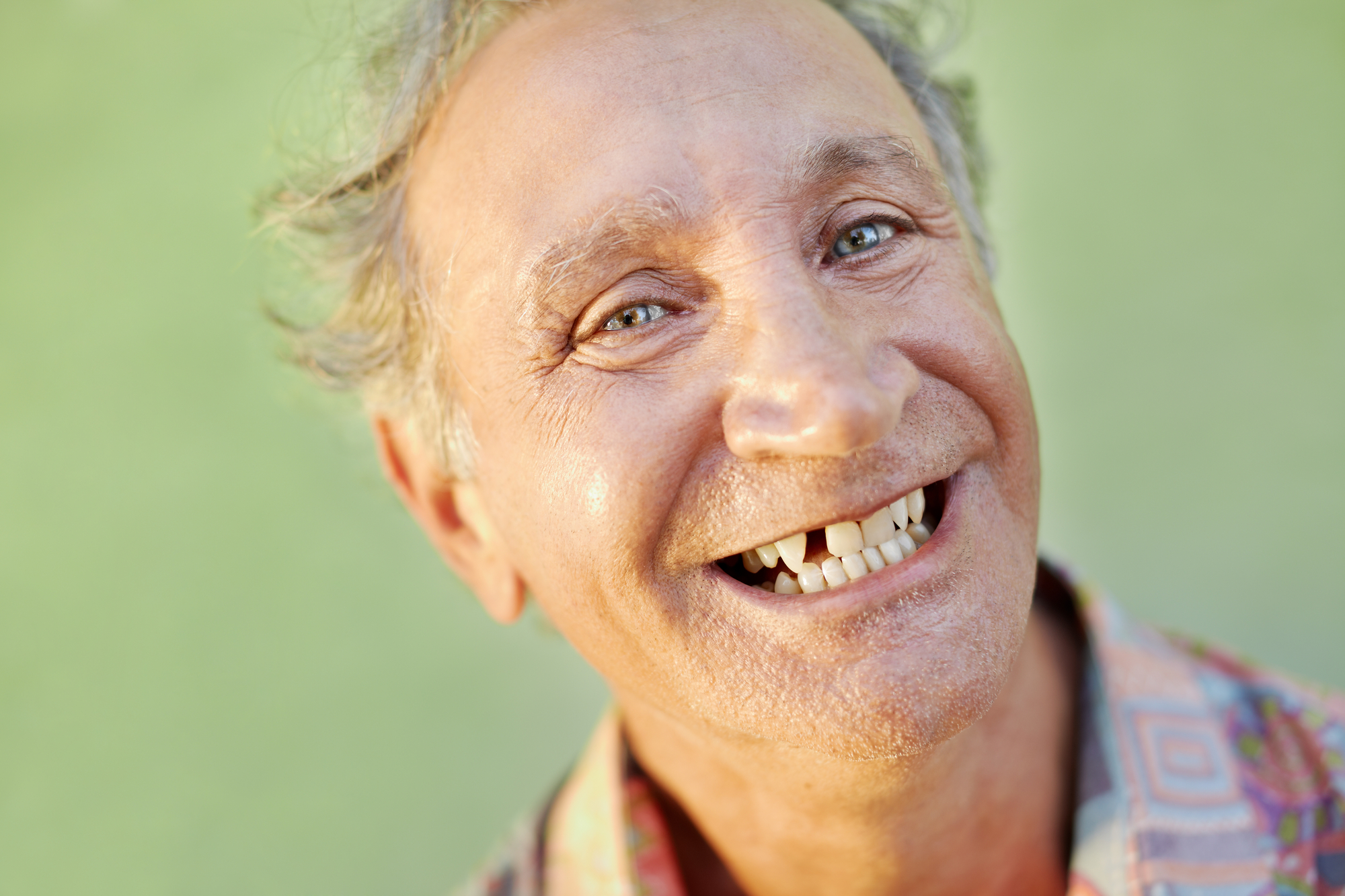
Losing a tooth can affect more than the appearance of your smile. Whether a tooth is lost because of decay, gum disease, injury, or another dental problem, leaving the space untreated can gradually affect your bite, surrounding teeth, jawbone, and overall oral health. Understanding these potential effects can help you make an informed decision about replacing missing teeth.
Surrounding Teeth Can Shift
Your teeth naturally support one another and help maintain their position within your mouth. When a tooth is missing, nearby teeth may begin shifting toward the open space. Over time, this movement can change your bite and create areas that are harder to clean.
Teeth that have shifted may also make it easier for plaque and food particles to collect around them, potentially increasing the risk of cavities and gum problems.
Missing Teeth Can Lead to Bone Loss
Tooth roots provide stimulation that helps maintain the jawbone. When a natural tooth is lost, that stimulation is no longer present in the area. Over time, the bone surrounding the missing tooth can begin to deteriorate.
Jawbone loss can affect the structure of your mouth and may also make certain tooth replacement treatments more challenging. Dental implants are one option that can replace a missing tooth while also providing stimulation to the jawbone through an implant post.
Your Bite and Chewing Can Change
Even one missing tooth can affect how you chew. You may naturally begin using the opposite side of your mouth more often or avoid certain foods altogether. This can place additional stress on your remaining teeth and alter the way your upper and lower teeth come together. Replacing missing teeth can help restore your ability to chew comfortably and distribute biting forces more evenly.
Gum Health Can Be Affected
Gaps created by missing teeth can make maintaining good oral hygiene more difficult. Changes in the position of surrounding teeth can create spaces where plaque is harder to remove. Without proper care, this may contribute to gum inflammation and other periodontal concerns.
Regular brushing, flossing, and professional dental cleanings remain important whether you have all of your natural teeth or are considering tooth replacement.
What Are Your Options for Replacing Missing Teeth?
The right solution depends on the number and location of missing teeth, the condition of your remaining teeth and gums, your jawbone health, and your individual goals. Depending on your situation, your dentist may discuss options such as dental implants, fixed dental bridges, or dentures.
A dental evaluation is the best way to determine which treatment may be appropriate for your smile. Addressing tooth loss sooner can also help prevent additional oral health complications.
Restore Your Smile at Farah Family Dental
Missing teeth do not have to be something you simply live with. Farah Family Dental provides personalized tooth replacement and restorative dentistry options for patients in Worcester, MA. Our team can evaluate your oral health, discuss your concerns, and help you understand the options available for restoring your smile. Contact Farah Family Dental at (508) 754-9155 to schedule an appointment and learn more about replacing missing teeth. Taking action today can help protect your remaining teeth and support a healthier, more functional smile.

.jpg)
.jpg)
.jpg)